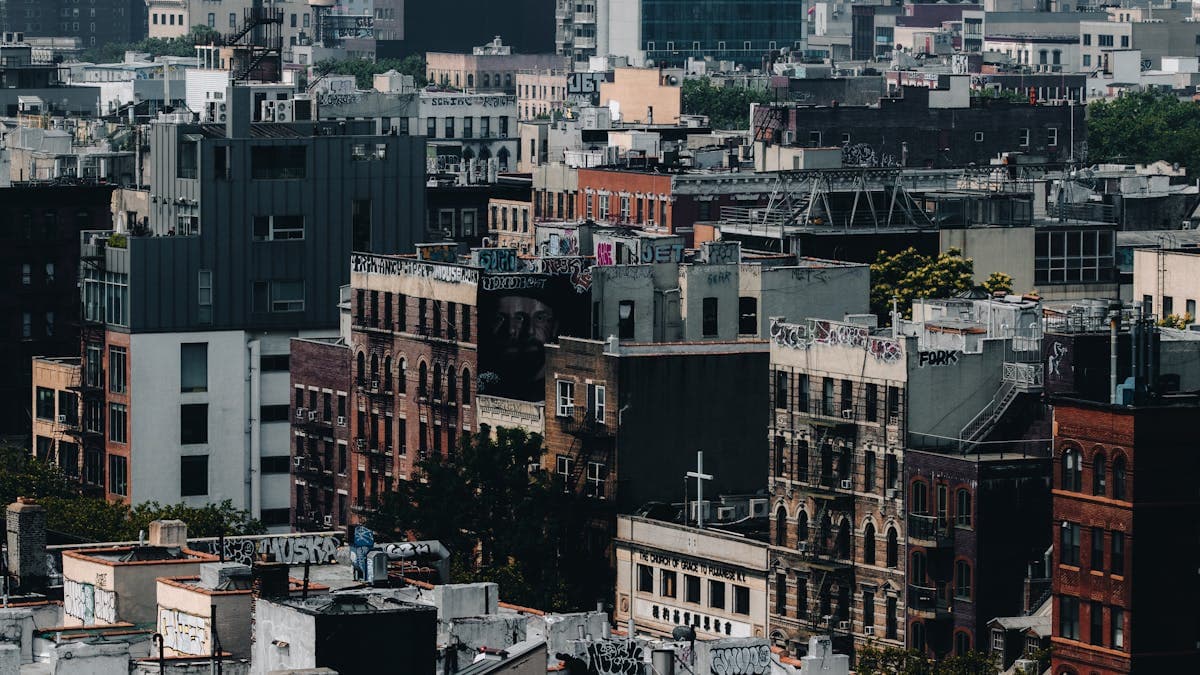
New York City's building stock is one of the oldest and most architecturally diverse in the United States. With that comes a responsibility — and a legal requirement — to maintain exterior façades in a safe condition. Local Law 11, officially the Façade Inspection Safety Program (FISP), is the regulation that governs this requirement, and understanding it is essential for any NYC property owner or manager.
What Is Local Law 11?
Originally enacted in 1980 following a fatal accident caused by falling masonry from a Manhattan building, Local Law 11 requires periodic inspection of the exterior walls and appurtenances of buildings greater than six stories in New York City. The law was significantly strengthened in 1998 and has been updated several times since. Today it is administered by the NYC Department of Buildings (DOB) under the FISP program.
Who Does It Apply To?
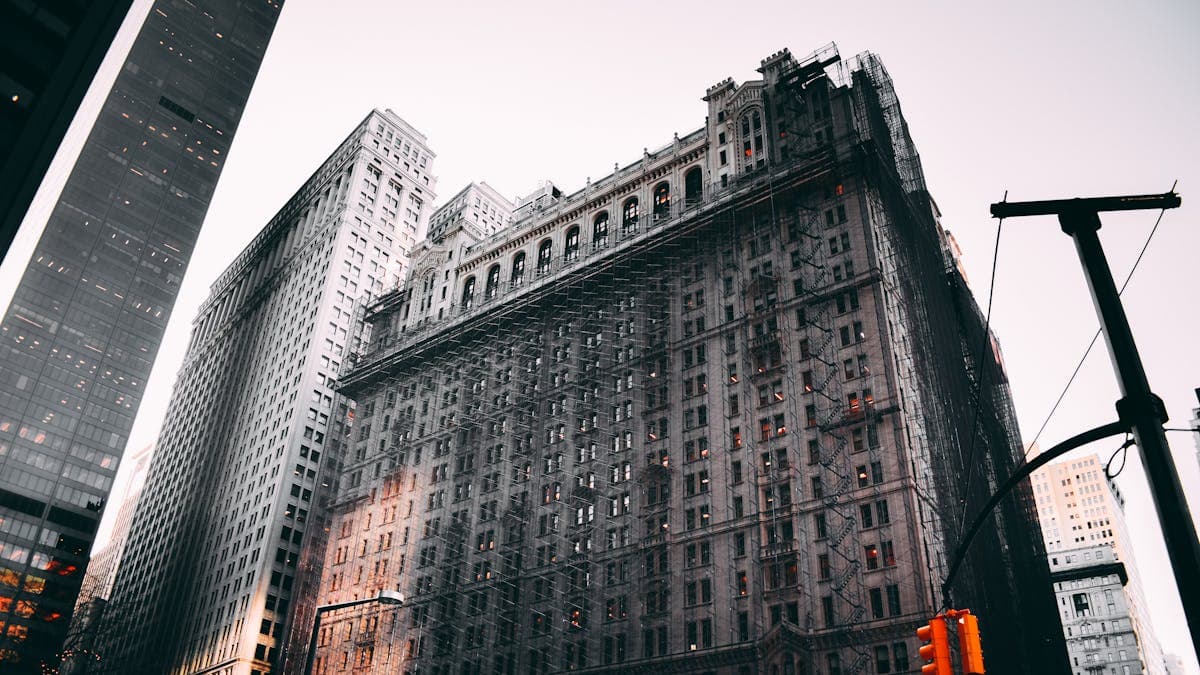
Local Law 11 applies to all buildings in New York City that are more than six stories in height. This includes residential co-ops, condominiums, rental buildings, commercial properties, and mixed-use buildings. Owners of these properties are required to have their exterior walls, parapets, window lintels, fire escapes, and other appurtenances inspected on a mandatory five-year cycle.
The Inspection Cycle and Filing Requirements
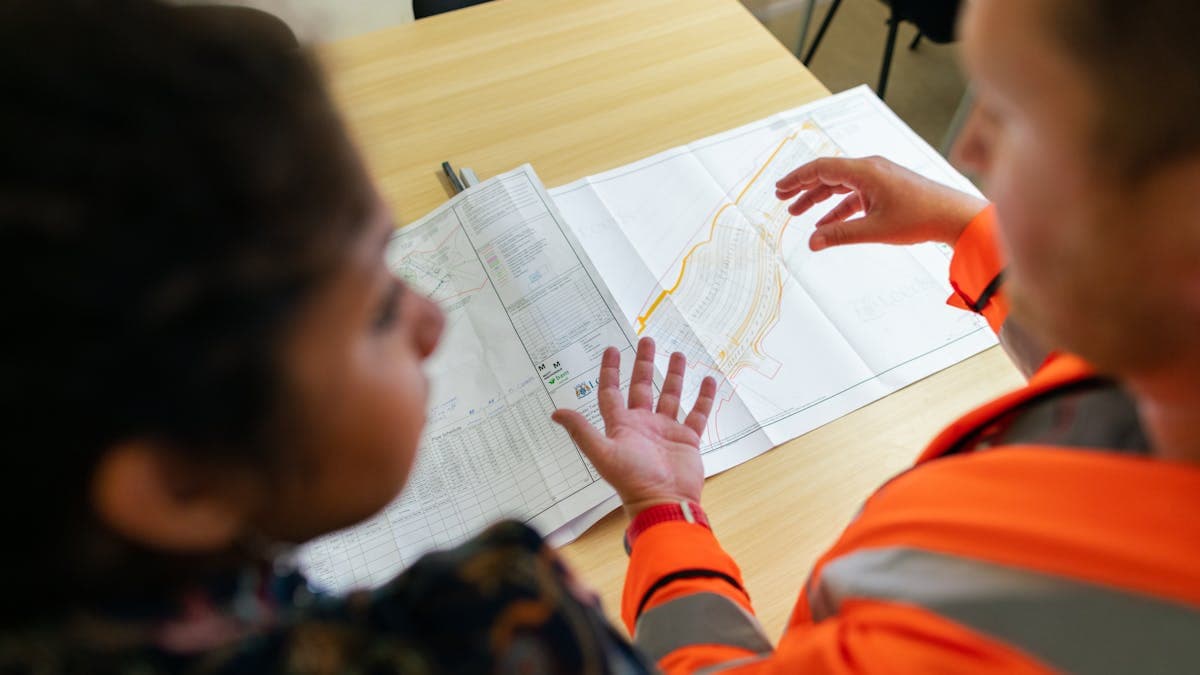
The city is divided into sub-cycles based on street address, and buildings must file their inspection reports within their assigned window. Inspections must be performed by a Qualified Exterior Wall Inspector (QEWI) — a licensed architect or engineer with specific FISP credentials. The inspector files a report classifying the façade condition as one of three statuses:
- Safe — No repairs required; re-inspection required in five years
- SWARMP (Safe With a Repair and Maintenance Program) — Repairs required within two years of filing
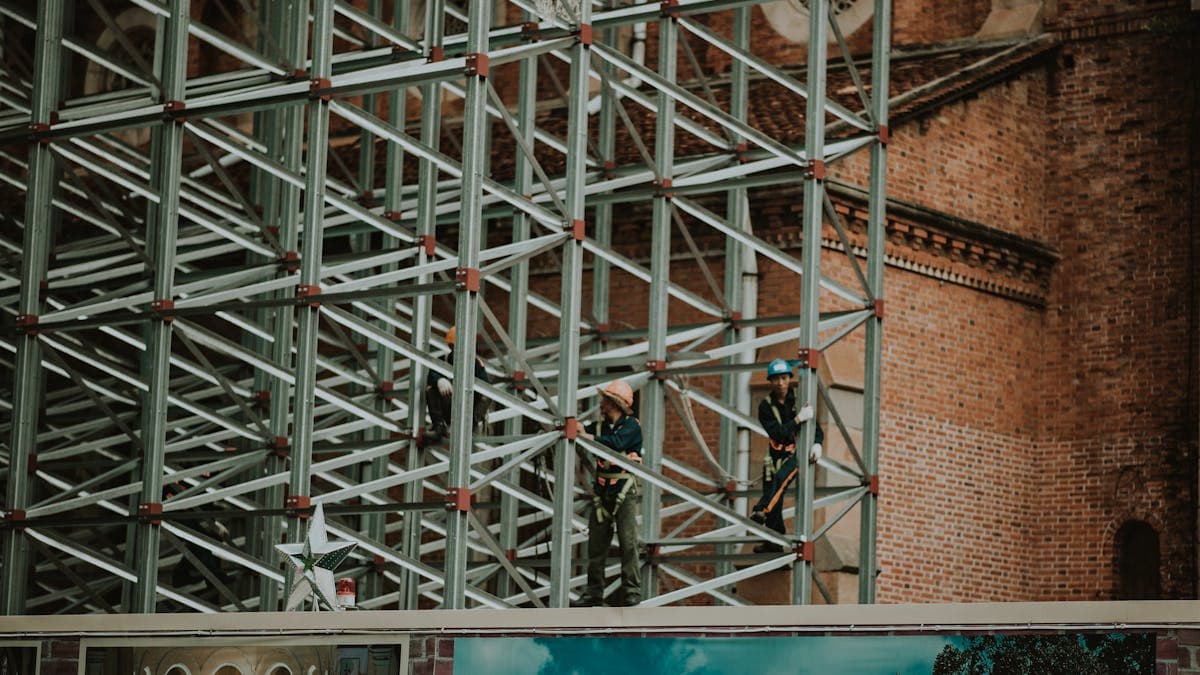
- Unsafe — Immediate repairs required; sidewalk shed may be mandated by the DOB
Common Violations and Their Consequences
Failing to file a FISP report on time, or failing to correct a SWARMP or Unsafe condition within the required timeframe, results in DOB violations. These violations carry fines that accrue daily and can significantly affect a building's ability to refinance, sell, or pass board approval for renovations.
Interior Work Associated With FISP Repairs
Many FISP repairs require interior access — for window replacement, lintel repairs, or remediating water infiltration that has damaged interior walls, ceilings, or finishes. This is where a qualified interior construction team becomes essential alongside the QEWI and structural engineer.
AKing US Construction works alongside QEWI inspectors and licensed engineers to execute the interior scope of FISP-related repairs — including waterproofing, drywall, ceiling restoration, and finishes. If your building is approaching its FISP filing window,
contact us to discuss your compliance requirements.